
What Foods Should I Eat After My Root Canal Treatment
After a root canal, focus on a strategic soft food diet. For the first 24 hours, eat lukewarm or cold, soothing foods like smoothies and yogurt. In the following week, transition to nutrient-dense options like scrambled eggs and salmon to reduce inflammation and accelerate your healing process.
Hearing your dentist say you need a root canal can be stressful, but the procedure itself is a crucial step in saving your natural tooth and relieving pain. Once the root canal treatment is over, the focus shifts to recovery. Most advice stops at a simple instruction: “eat soft foods”. While this is a good starting point, it’s critically incomplete. A truly effective post-procedure diet is more than just avoiding hard or crunchy foods; it’s a strategic nutritional plan designed to actively reduce inflammation, accelerate tissue healing, and protect your treated tooth until its final dental restoration.
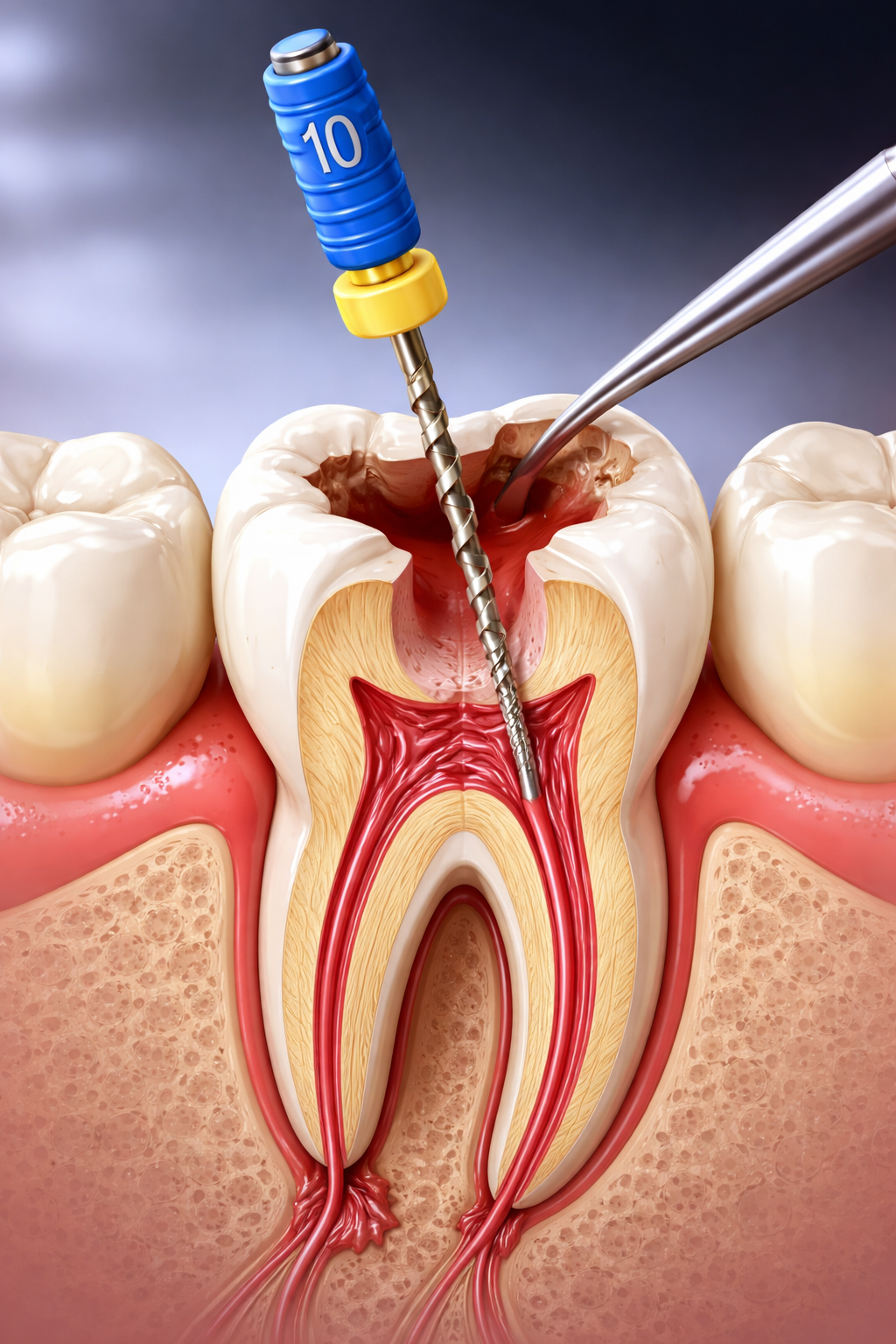
The goal isn’t just to get by without discomfort—it’s to give your body the exact tools it needs for a swift and successful healing process. After a dentist removes the infected dental pulp, the tooth is protected with a temporary filling, with a permanent crown being placed at a later visit to protect the tooth and restore the bite. Understanding what to eat, and when, is key to managing your oral health during this important recovery timeline.
Beyond Texture: Why ‘What’ You Eat Matters More Than ‘How Soft’
When you’ve undergone endodontic therapy, your body initiates a complex healing process around the root of the treated tooth. There’s bound to be some swelling and inflammation as your tissues repair. While avoiding hard foods prevents physical damage, choosing the *right* soft foods can significantly influence the speed and quality of your recovery. This is where the science of nutrition and healing comes into play.
Think of your diet as an essential part of your post-operative care. Specific nutrients act as building blocks for tissue repair and have natural anti inflammatory properties that can help with pain management and reduce oral discomfort.
- Protein Power: Protein is essential for cellular repair and regeneration. Soft, protein-rich foods like scrambled eggs, Greek yogurt, cottage cheese, and well- blended protein shakes provide the amino acids your body needs to rebuild gum and jaw tissue.
- Anti-Inflammatory Fats (Omega-3s): Foods rich in Omega-3 fatty acids are known to combat inflammation. Consider soft-cooked salmon, mashed avocado, or adding a spoonful of flaxseed oil to a smoothie. These can help soothe the area around your tooth and reduce jaw soreness.
- Vitamin C for Collagen: Vitamin C is a powerhouse for healing, as it’s vital for producing collagen, the protein that forms the foundation of your gums and connective tissues. Mashed sweet potatoes, avocado, and smoothies with blended (seedless) greens are excellent sources.

Comparing Recovery Diets: The Standard vs. The Strategic
Let’s break down the common approach versus a more informed nutritional strategy. While after a root canal, eating soft foods is usually the best place to begin, not all soft foods are created equal.
The Standard ‘Soft Food’ Diet
This approach focuses solely on texture. The typical list includes ice cream, Jell-O, pudding, and lukewarm soup. While these foods won’t harm your temporary filling with biting pressure, they often lack the nutritional density needed for optimal healing. They can be high in sugar, which can promote inflammation, and fail to provide the vitamins and proteins your body is craving for repair.
The Strategic Nutritional Recovery Plan
This method goes beyond texture to prioritize nutrient density. It involves consciously selecting soft foods that actively support your body’s healing process. The goal is to manage pain and inflammation, provide building blocks for tissue repair, protect your temporary crown, and contribute to the long-term success of your root canal. This meal plan requires a little more thought but can make a significant difference in your recovery experience.
Your Phased Eating Plan: From Day One to Your Permanent Crown
A successful post-procedure diet is not static; it evolves as you heal. Here’s a phased approach to guide your eating for the week following your root canal treatment.
The First 24 Hours: Focus on Soothing and Pain Management
- Temperature is Key: Stick to cold foods or lukewarm foods. Avoid anything hot, as heat can increase inflammation and discomfort.
- No Chewing Required: A liquid diet or foods that don’t require chewing are best. Think smoothies, yogurt, applesauce, and meal replacement shakes.
- Gentle is Better: Use a spoon rather than a straw, as the suction can disturb the treated area. And remember to do all your gentle chewing on the opposite side of your mouth from the treated tooth.
- Good Choices: Lukewarm soup (like a smooth cream of asparagus, not tomato), Jell-O, udding, bananas, and protein shakes.
Days 2-7: Shifting to Nutrient-Dense Healing
As the initial soreness subsides, you can begin to incorporate a wider variety of soft foods that require minimal chewing. This is the phase where nutrition really begins to accelerate your recovery. Protecting your temporary restoration is paramount during this
time. As the American Association of Endodontists notes, following guidelines for post- procedure care is especially important if a temporary filling or crown is in place on the tooth.
- Introduce Soft Solids: Scrambled eggs, oatmeal, mashed potatoes, hummus, soft-cooked fish, and cottage cheese are all excellent, nutrient-dense options.
- Focus on Healing Nutrients: This is the time to prioritize the proteins, healthy fats, and vitamins discussed earlier.
- Continue to Avoid Problem Foods: Stay away from anything hard, crunchy, or sticky that could dislodge your temporary crown care. This phase is all about careful eating to prepare for your follow-up appointment.
The ‘Safe’ Food Minefield: Soft Foods That Can Sabotage Recovery
Navigating your post-root canal diet means being aware of seemingly harmless foods that can hinder the healing process. Here is a list of foods to avoid, even if they seem soft enough.
- Foods with Small Seeds or Grains: Berries in a smoothie, sesame seeds in hummus, or multigrain breads can be problematic. Tiny, hard particles can easily get lodged in or around the sensitive treated tooth, causing irritation and inflammation.
- Acidic Foods: Tomato-based soups, citrus fruits (oranges, grapefruit), and juices can irritate healing gum tissue. It’s best to stick to neutral, non-acidic options.
- Extremely Hot or Spicy Foods: Hot beverages and spicy foods can significantly increase sensitivity and inflammation in the treated area. Stick to lukewarm temperatures.
- Sticky and Chewy Foods: Beyond the obvious like hard candy or chewing gum, even soft breads or caramel can adhere to your temporary filling or crown and potentially dislodge it.
- Alcohol Consumption: Alcohol can interfere with the healing process and may interact negatively with prescription painkillers or over the-counter medications like ibuprofen (Advil) or acetaminophen (Tylenol).

Hydration: The Unsung Hero of Your Root Canal Recovery
Often overlooked in aftercare instructions, proper hydration is a crucial component of your recovery. Water is fundamental to every cellular function, including the repair of damaged tissue.
Staying well-hydrated helps your body flush out toxins and transport nutrients to the healing site. It also prevents dry mouth, a common side effect of pain medications. A dry mouth can increase the risk of bacterial growth, complicating your recovery. Aim for plenty of water throughout the day and avoid sugary drinks, which can promote inflammation and are detrimental to your overall oral health.
Making the Right Choice for Your Needs
Everyone’s approach to recovery is different. Here’s how you can tailor this advice to fit your specific needs and concerns.
For the Anxious Patient
If you’re worried about pain or complications, a structured plan provides peace of mind. Follow the phased eating plan exactly. For the first 24 hours: stick to smoothies, yogurt, and lukewarm soups. For days 2-7: gradually introduce scrambled eggs, oatmeal, and mashed potatoes. By sticking to this clear, comprehensive guide, you minimize the risk of irritation and empower yourself for a smooth, fast recovery.
For the Health-Conscious Individual
You understand that food is fuel for healing. Focus on maximizing the nutritional impact of every meal. Your shopping list should include salmon (for Omega-3s), avocados, sweet potatoes (for Vitamin C and A), Greek yogurt (for protein and probiotics), and leafy greens to blend into smoothies. View this recovery period as an opportunity to supercharge your body’s natural ability to reduce inflammation and rebuild tissue from the inside out.

For the Busy Professional
Your time is limited, and you need an efficient plan that works. Prioritize low-prep, high-impact foods. Stock up on single-serving Greek yogurts, cottage cheese, and quality protein shakes. Pre-made, low-sodium, non-acidic soups are your friend. This practical approach ensures you’re protecting your temporary crown to prevent extra dental visits while getting the nutrition you need to get back to your routine quickly.
Ultimately, a successful recovery from endodontic therapy is about more than just waiting for the discomfort to pass; it’s about taking an active role in your own healing. By adopting a thoughtful, nutrient focused approach to what you eat, you support your body’s recovery, protect your dental work, and pave the way for the long-term health of your treated tooth. For residents of Pico Rivera, CA, who need personalized guidance on their dental health journey, the team at Direct Dental of Pico Rivera is committed to providing compassionate, transparent care for your entire family. Contact us today to learn how we can support your oral health needs.
