
Do You Need to Worry About Cavities with Dental Implants?
Picture this—you’ve just stepped out of the dentist’s office with a confident smile, thanks to your new dental implants. They look natural, feel sturdy, and give you back the freedom to chew and talk without worry. But as you’re enjoying your favorite meal later, a thought crosses your mind: Can these implants get cavities like my teeth?
The answer might surprise you. While implants are immune to cavities, they’re not completely free from oral health challenges. Understanding why implants are cavity-proof—and why oral hygiene still matters—can help you protect your investment and avoid potential issues. With proper care, dental implants can be a long-lasting solution. Curious to learn more? Keep reading as we break it all down for you.

Understanding Dental Implants
These fixtures are designed to be a permanent solution for missing teeth, and they’re often praised for their durability and natural look. But how do they work? These advanced replacements are made up of three main components:
A. Implant post: A titanium screw inserted into the jawbone to act as the root of the tooth.
B. Abutment: A small connector piece that links the post to the crown.
C. Crown: The visible, tooth-like structure crafted from porcelain or zirconia.
Together, these parts function as a strong and functional substitute for a natural tooth. The key to their durability lies in ossification, a process where the in which post fuses with the jawbone to form a stable foundation.

How Are Dental Implants Different?
Implants might look natural, but they’re made from different materials. Natural teeth are composed of layers like enamel and dentin, both of which can break down over time since they are made up of porous materials. Conversely, implants are made of titanium and ceramic—materials that are resistant to decay.
Another notable difference? Implants don’t have nerve endings, so they won’t respond to pain, temperature, or sensitivity like a living tooth. While this has its perks, it also means you won’t feel early warning signs if an issue arises, underscoring the importance of regular dental visits.
Can They Get Cavities?
Here’s the short answer: no, they don’t get cavities. This is because the crown—the part that sits above the gum line—is made from materials like porcelain or zirconia, which are non-porous and insusceptible to decay-causing oral bacteria.
That said, your fixtures aren’t completely invincible. Problems can occur if you neglect proper oral care, especially in the areas around the fixture. For example, plaque buildup can still affect your gums, which play a crucial role in supporting the implant.

Common Misconceptions
It’s a common misconception that dental implants don’t require regular maintenance. Sure, you don’t have to worry about cavities, but you can still face issues like periodontal disease or even implant failure if not cared for properly. This stands as a reminder to treat your new teeth as part of your overall oral health, not as a standalone solution.
Why Good Oral Hygiene Practice Still Matters
At this point, you might be asking yourself, “If implants don’t get cavities, why should I worry about oral care?” The truth is, even though the implant itself is not susceptible to tooth decay, the health of your gums and surrounding teeth still matters—a lot.
Risk of Gum Disease and Peri-Implantitis
One of the biggest risks is peri-implantitis. This condition is the implant version of periodontal disease, where plaque buildup causes inflammation and infection in the oral tissue around the implant. Left untreated, this can lead to bone loss and potentially implant failure. Keeping your gums healthy is critical to protecting your dental work.
Protecting Remaining Teeth
Poor oral care can allow cavities to develop in your remaining teeth if you have a mix of natural teeth and implants. Worse yet, bacteria around your gumline can spread, leading to broader oral health issues. Maintaining a clean, healthy mouth benefits both your natural teeth and any fixtures you have.
The Dental Implant Procedure Discussed by the Dental Health Society
Best Practices for Oral Wellness
Good news! Keeping your new smile in great shape isn’t rocket science. By staying consistent with a few simple habits, you can enjoy a healthy, worry-free smile for years to come.
Practicing Proper Oral Hygiene
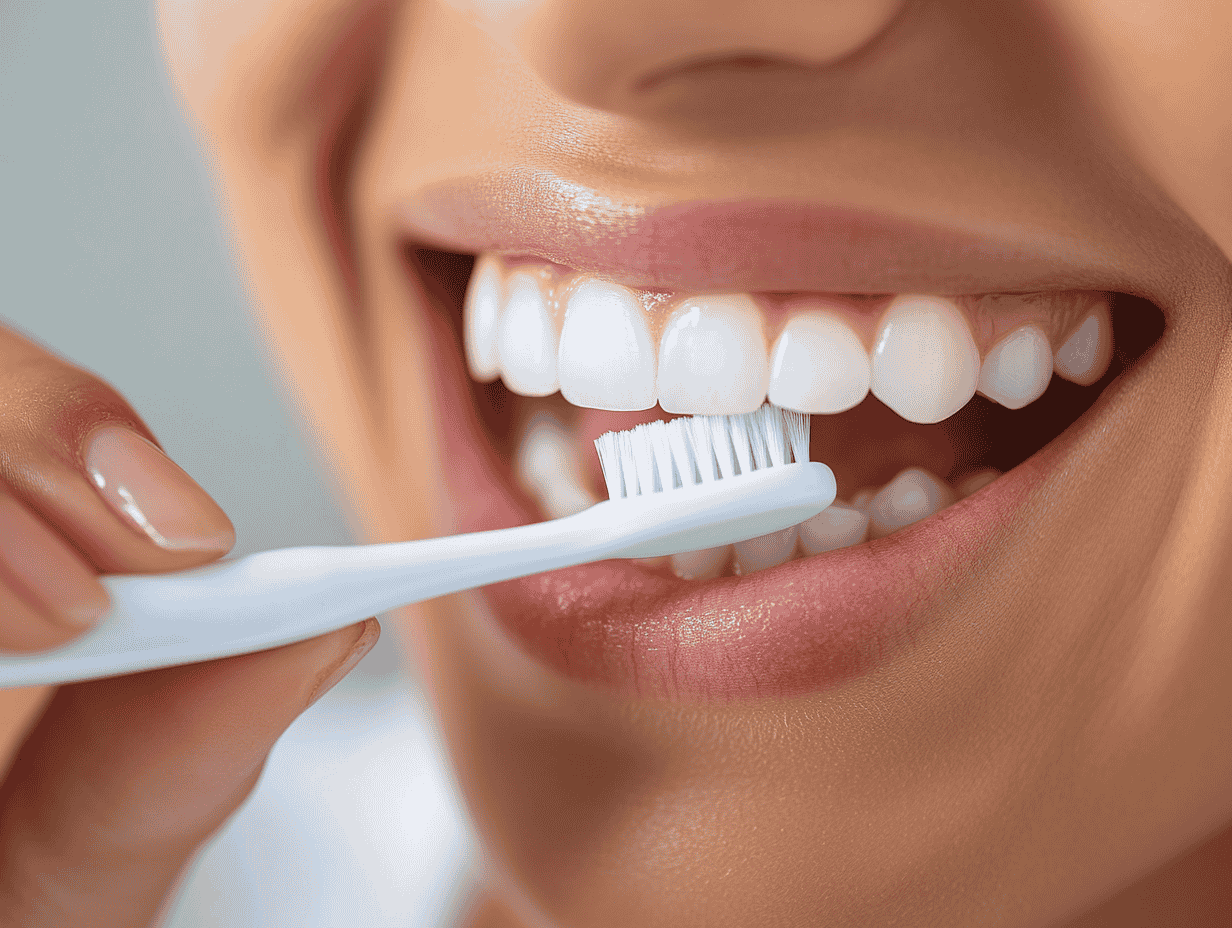
A. Brush twice daily using a soft-bristled toothbrush to keep plaque at bay. Avoid hard toothbrushes that might damage your gums or the implant crown.
B. Use non-abrasive toothpaste to protect the crown’s surface. Toothpaste with baking soda or other abrasive ingredients can wear down the crown’s glossy finish.
C. Floss daily using dental floss or water flossers designed specifically for implants. They help clean those hard-to-reach spots that regular brushing might miss.
D. Rinse with antibacterial mouthwash to kill bacteria and keep your smile healthy.

Regular Checkups and Professional Cleanings
Even with diligent daily care, professional checkups are a must. Your dentist can monitor the health of your oral tissues and implant, catching any early signs of trouble before they escalate. Routine cleanings also help eliminate hidden plaque and tartar.

Lifestyle Habits That Support Oral Health
Small lifestyle changes can significantly impact the longevity of your implants:
A. Quit smoking—it increases the risk of gum disease and slows healing.
B. Limit sugary and acidic foods, which can harm your own teeth and affect oral tissue health.
C. Stay hydrated to encourage saliva production, your mouth’s natural cleanser.
Red Flags to Watch For
While artificial teeth are designed to be durable, problems can arise. Watch out for these warning signs that could indicate an issue:
A. Redness, swelling, or soreness near the implant.
B. Pain or discomfort when biting or chewing.
C. Gum recession around the implant.
D. A loose or wobbly implant.
If you notice any of these symptoms, don’t wait—schedule a consultation with your dentist as soon as possible. Early intervention can make a world of difference. Remember, Direct Dental offers the best dental implants in Pico Rivera!

Conclusion
Dental implants are a game-changing solution for restoring your smile and confidence, but they aren’t a “set-it-and-forget-it” fix. While implants can’t get cavities, their longevity depends on your commitment to maintaining excellent oral care.
Healthy habits and regular dental checkups are crucial for protecting not just your implants, but your entire mouth. Think of it as a valuable investment—they don’t just restore your teeth; they give you the freedom to smile, eat, and live your life without worry.
Your smile is more than just a reflection in the mirror—it’s a symbol of your health, confidence, and quality of life. Caring for your teeth, whether they’re natural or artificial, is an investment in yourself that pays lifelong dividends. When you commit to good habits like thorough brushing, flossing, and regular visits to the dentist, you’re not simply maintaining oral health—you’re building a foundation for greater confidence, better overall well-being, and the freedom to live life on your terms.
Remember, a strong, radiant smile isn’t just something you deserve—you can achieve, starting now. Seize the moment, take charge of your oral wellness, and create a legacy of care that your future self will thank you for!

Book a Consultation Today!
Are you ready to take your oral health to the next level? Whether you’re considering getting dental implants or want to protect the ones you already have, our Direct Dental of Pico Rivera team is here to help.
Why wait another day? Contact us at 562-949-0177 to book your appointment. This is your moment to take charge of your dental health—don’t miss it!
For Further Reading
Brown, R. (2024, May 13). Guide to eating after getting dental implants. OKC-OMS. https://okcoms.com/blog/guide-
Do’s and don’ts for taking care of your dental implants. (2019, June 21). Innovative Implant and Oral Surgery. https://innovativeoralsurgery.
Yetman, D. (2022, December 1). What are the benefits and drawbacks of dental implants? Healthline Media. https://www.healthline.com/
